
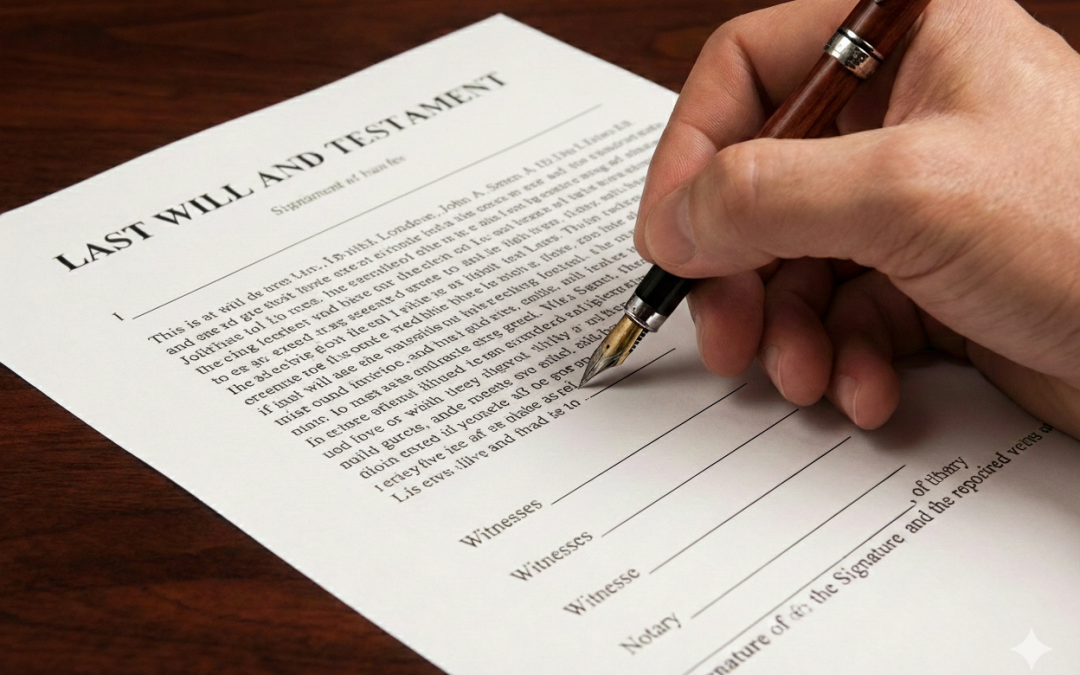
A recent High Court decision has highlighted the serious consequences of forged wills and false claims over estates. The case involved a woman who died in 2023, leaving a valid will placing her estate into trust for her teenage daughter. After her death, her former partner produced what he claimed was a later will and a marriage certificate in an attempt to inherit the estate.
The family challenged these documents. The High Court ultimately found that both the alleged will and marriage certificate were forged. The court upheld the earlier valid will, removed the partner from any role in administering the estate, and made orders preventing him from dealing with estate assets. He was also ordered to pay substantial legal costs.
While the facts of this case are unusual, the issues it raises are not. Inheritance disputes frequently arise where new documents appear after death, particularly where they significantly change who inherits. Courts will carefully examine the validity of any will and can rely on handwriting evidence, witness testimony and surrounding circumstances to determine whether a document is genuine.
Key Legal Points
This case serves as a reminder that:
- A will must be properly signed and witnessed to be valid.
- Forged or suspicious wills can be challenged in court.
- False claims of marriage can affect inheritance rights and must be verified.
- The court can remove executors or trustees where there is misconduct.
- Urgent injunctions can be obtained to prevent estate assets being moved or spent.
Early legal advice is often critical where there are concerns about fraud or undue influence. Acting quickly can help preserve evidence and protect the estate.
How We Can Help
Our contentious probate solicitors advise on all aspects of inheritance disputes, including:
- Challenging the validity of a will – whether on grounds of forgery, undue influence or lack of testamentary capacity
- Executor and trustee disputes – removing or replacing executors who have acted improperly
- Claims involving fraud or undue influence – protecting estates from dishonest claims
- Protecting estates for minor beneficiaries – ensuring children and young people receive their rightful inheritance
- Urgent court applications to freeze assets – preventing estate assets from being dissipated
We provide clear, practical advice and robust representation where estates are at risk. Based in Wembley Park, we serve clients across London and nationwide.
Frequently Asked Questions
Can you challenge a forged will in the UK?
Yes. If you suspect a will has been forged, you can apply to the court to have it declared invalid. There is no time limit for challenging a will on grounds of forgery or fraud, but acting quickly is advisable to preserve evidence and protect the estate.
What happens if a will is found to be forged?
If the court determines that a will is forged, it will be declared invalid. The estate will then be distributed according to any earlier valid will, or under the rules of intestacy if no valid will exists. The person responsible for the forgery may also face legal costs and potential criminal proceedings.
How much does it cost to challenge a will?
The cost of contesting a will depends on the complexity of the case and how quickly it can be resolved. We offer transparent pricing and can discuss funding options during an initial consultation. Contact our team to discuss your situation.
Contact Us
If you are concerned about the validity of a will or the administration of an estate, our team can help you understand your options and take appropriate action.
Contact our probate team today to discuss your situation in confidence.