Recent reports of a senior professional being fined for using artificial intelligence tools during internal training highlight a growing concern for UK employers: AI misuse in the workplace. As AI tools become more accessible and integrated into daily business operations, organisations—particularly in regulated sectors such as legal, finance, and accountancy—are facing unprecedented risks.
For employers, this is no longer a hypothetical concern. AI misuse workplace issues represent a live employment law and regulatory challenge requiring immediate attention, clear policies, and enforceable procedures.
What Is AI Misuse in the Workplace?
AI misuse in the workplace occurs when employees use artificial intelligence tools inappropriately, unethically, or in violation of company policies or legal obligations. This can include:
- Using AI to gain unfair advantages in assessments or work tasks
- Uploading confidential or sensitive data to AI platforms without authorisation
- Bypassing established procedures and controls by using AI tools
- Creating content through AI that violates professional or regulatory standards
- Failing to disclose AI use where transparency is required
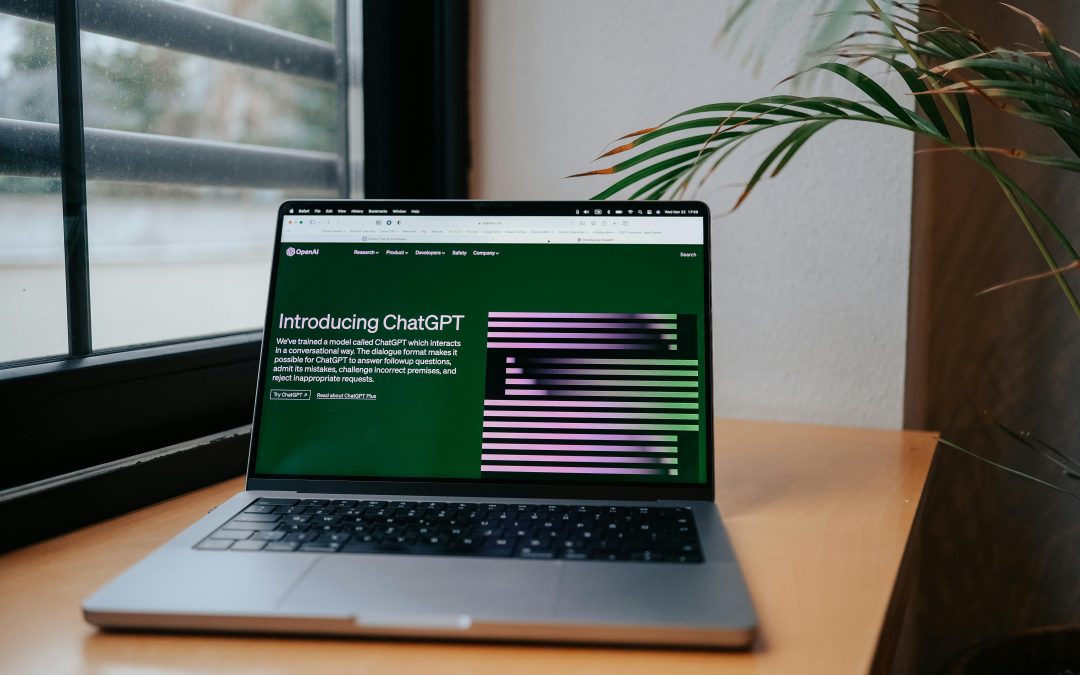
The accessibility of tools like ChatGPT, Claude, and other AI platforms means that employees across all levels can—intentionally or inadvertently—create significant legal and reputational risks for their employers.
Employment law
Employment Law Risks of AI Misuse
AI misuse by staff can trigger several serious legal issues under UK employment law and data protection legislation. Employers must understand these risks to protect their businesses effectively.
1. Disciplinary and Dismissal Issues
Using AI tools to gain an unfair advantage in assessments, training programmes, or work tasks may amount to employee misconduct or, in serious cases, gross misconduct. This raises complex employment law questions about:
Fair Investigation and Process
Employers must ensure that:
- Artificial intelligence employment law policies clearly prohibit misuse and define what constitutes a breach
- Investigations are conducted fairly, thoroughly, and with proper documentation
- Any disciplinary action follows the ACAS Code of Practice on Disciplinary and Grievance Procedures
- Employees are given the opportunity to respond to allegations
Risk of Unfair Dismissal Claims
Failure to follow proper procedure when dismissing an employee for AI misuse could lead to successful unfair dismissal claims at employment tribunal. Even where the misconduct is proven, procedural failures can result in substantial compensation awards. ACAS Code of Practice on Disciplinary and Grievance Procedures
2. Data Protection and Confidentiality
One of the most significant risks associated with AI misuse workplace incidents is data protection breaches. When employees upload internal documents, client data, or commercially sensitive information to AI platforms, they may breach:
- UK GDPR – particularly principles relating to data security, lawful processing, and purpose limitation
- Confidentiality obligations – both contractual and common law duties
- Professional conduct rules – applicable to regulated professions such as solicitors, accountants, and financial advisers
Consequences for Businesses
Data protection breaches through AI misuse can expose businesses to:
- ICO investigations and enforcement action
- Substantial fines (up to £17.5 million or 4% of annual global turnover)
- Regulatory sanctions from professional bodies
- Civil claims from affected individuals or clients
- Serious reputational damage
The Information Commissioner’s Office provides guidance on AI and data protection
3. Regulatory and Professional Conduct
In regulated professions, employee AI misconduct may breach professional standards and codes of conduct. Law firms, accountancy practices, and financial services firms must consider:
- Reporting obligations to regulators (SRA, FCA, ICAEW, etc.)
- Professional indemnity insurance implications
- Client notification requirements where confidential information has been compromised
- Supervisory responsibilities of senior management
Failure to address AI misuse appropriately can result in regulatory action against both the individual employee and the employing organisation. Regulatory compliance
Why Every Business Needs an AI Workplace Policy
A clear, comprehensive, and enforceable AI workplace policy is now essential for every UK business. The rapid adoption of AI tools has outpaced policy development in many organisations, leaving significant gaps in governance and control.
What an Effective AI Workplace Policy Should Cover
Permitted vs Prohibited AI Use
Clearly define:
- Which AI tools are approved for business use
- What types of tasks AI tools may be used for
- Circumstances where AI use is explicitly prohibited
- Requirements for disclosure when AI has been used
Data Protection Safeguards
Specify:
- What data can and cannot be uploaded to AI platforms
- Requirements for anonymisation or pseudonymisation
- Procedures for assessing AI tools before use
- Data retention and deletion obligations
Monitoring Practices
Explain:
- How the organisation monitors AI use
- Employee rights and expectations of privacy
- Consequences of policy breaches
- Regular audit and review processes
Disciplinary Consequences
Set out:
- What constitutes minor, serious, and gross misconduct
- The disciplinary procedure that will be followed
- Potential outcomes including warnings and dismissal
- Appeal rights and processes
Staff Training
Commit to:
- Regular training on AI workplace policy requirements
- Updates on new AI tools and associated risks
- Guidance on appropriate and inappropriate use
- Channels for seeking advice and raising concerns
Without a robust AI workplace policy, employers risk inconsistent enforcement, employee confusion, and significant legal challenges when disciplinary action becomes necessary. Employment policy drafting
Practical Steps for Implementing Your AI Workplace Policy
Creating an AI workplace policy is only the first step. Effective implementation requires a structured approach:
Consultation and Communication
- Consult with employees, trade unions, or employee representatives where appropriate
- Communicate the new policy clearly to all staff
- Provide accessible copies (employee handbook, intranet, email)
- Require acknowledgement that employees have read and understood the policy
Training and Support
- Deliver comprehensive training to all employees
- Provide additional guidance for managers and supervisors
- Offer channels for questions and clarification
- Update training regularly as AI technology evolves
Monitoring and Enforcement
- Implement appropriate monitoring systems
- Ensure consistent application across the organisation
- Document all policy breaches and disciplinary actions
- Review and update the policy regularly
How Employment Law Solicitors Can Help
Navigating workplace AI guidelines UK requirements and ensuring robust protection against AI misuse requires specialist legal expertise. The Legal Practice’s employment and regulatory solicitors advise businesses on:
Policy Development
- Drafting comprehensive AI workplace policies tailored to your sector
- Ensuring compliance with UK GDPR and employment law
- Integrating AI policies with existing employment policies and procedures
- Keeping policies updated as technology and regulation evolve
Disciplinary Investigations
- Conducting fair and thorough investigations into AI misuse allegations
- Advising on appropriate disciplinary sanctions
- Managing disciplinary hearings and appeals
- Defending employment tribunal claims arising from AI-related dismissals
Regulatory Risk Management
- Assessing regulatory reporting obligations
- Liaising with regulators and professional bodies
- Managing regulatory investigations
- Implementing compliance programmes
Manager and Staff Training
- Delivering tailored training for your organisation
- Providing guidance materials and resources
- Offering ongoing advisory support
- Conducting policy reviews and audits
Take Action to Protect Your Business
AI misuse workplace risks are growing rapidly as artificial intelligence tools become more sophisticated and widely used. Employers who act now to implement robust AI workplace policies will be far better protected against legal, regulatory, and reputational risks.
Don’t wait for an incident to occur. Proactive policy development and staff training are essential to safeguarding your business in the age of artificial intelligence.
For expert guidance on AI workplace policy, employment law compliance, and protecting your business, contact:
Angalee Pandya
Senior Employment Law Consultant
Email: apandya@thelegalpractice.co.uk
The Legal Practice Solicitors
122 to 126 Wembley Park Drive
Wembley HA9 8HP
Telephone: 020 8903 7017
WhatsApp: 07880 927149
Need Help Creating an AI Workplace Policy?
Our specialist employment law solicitors can help you draft comprehensive AI policies, manage disciplinary processes, and ensure regulatory compliance. Protect your business from AI misuse risks.
This article is for informational purposes only and does not constitute legal advice. AI workplace policy and employment law are complex and fact-specific. For advice tailored to your specific circumstances, please consult a qualified solicitor.